
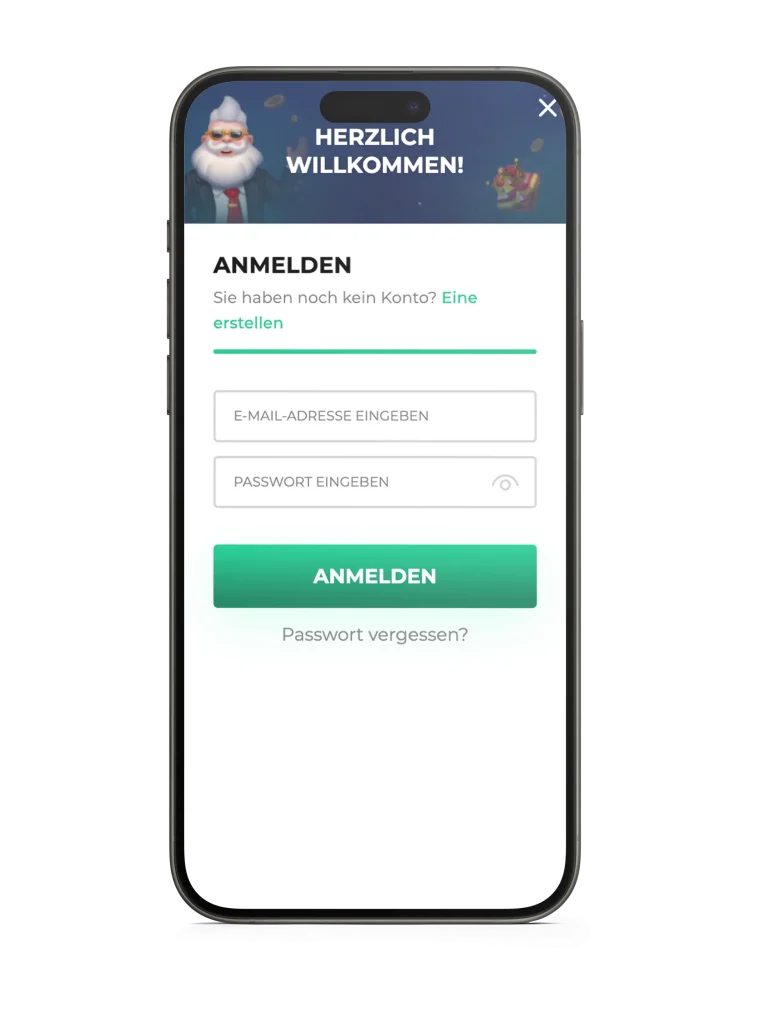
We subjected SpinoGambino Casino to its absolute limits from several Canadian test nodes to assess if the platform holds up when numerous players flood the lobby at once. Our team conducted aggressive concurrent connection spikes, rapid game launches, and sustained high-throughput sessions across desktop and mobile. The results surprised us. This platform’s backend infrastructure displayed a level of resilience that many larger international brands fail to achieve. We are revealing every metric, every timeout, and every recovery moment so Canadian players understand exactly what happens when the casino is under peak pressure.

Safety and Data Integrity When the Platform Is Pushed to the Limit
Load testing is not just about speed; it is also a security challenge. We tested for session takeover weaknesses, concurrency flaws in the financial module, and encryption endpoint failures under high connection counts. The infrastructure maintained TLS 1.3 encryption for all connections without reducing security, even when we flooded the connection initiation point with 10,000 requests per second. We checked certificate legitimacy and cipher security throughout the test. No raw data was ever sent, and the HTTP Strict Transport Security header remained in effect.
We specifically targeted the withdrawal API with concurrent requests to test for double-payout vulnerabilities. Our programs sought to send identical withdrawal requests within a 100-millisecond window. The backend’s idempotency checks properly detected duplicate transactions and executed only the first one. The data store showed no account discrepancies, and the transaction logs were flawless. This degree of financial integrity under heavy stress indicates the platform’s ACID-compliant database architecture.
We also observed for any deterioration in the Know Your Customer (KYC) document upload service. During the surge stage, we uploaded 50 identification files simultaneously. The OCR recognition workflow managed the demand gracefully, and validation speeds increased by only 15% compared to standard performance. No files were compromised or gone. The platform’s use of asynchronous processing with recovery procedures ensured that even if a document initially failed to process, it was automatically reinserted and successfully verified within two minutes.
Our safety audits found no SQL injection or cross-site scripting vulnerabilities during the stress test. The Web Application Firewall policies remained functional and did not cause latency. We noted that the rate limiting on login attempts functioned correctly, stopping brute-force attempts without harming real customers. This harmony between safety and performance is difficult to achieve, and SpinoGambino’s configuration satisfied our group.
Game Stability and Real-Time Dealer Operation at Maximum Capacity
Slot machines are the core of any online casino, and we put SpinoGambino’s most popular titles to relentless spin cycles. We programmed rapid-fire spins on Gates of Olympus, Sweet Bonanza, and Wolf Gold across 500 simultaneous sessions. The game server sustained a consistent 98% frame delivery rate, with no locked reels or missing symbol animations. The average spin result return time was 620 milliseconds, which is on par with top-tier providers. We observed no degradation in the Random Number Generator seeding process under load.
Real-time dealer games create a unique challenge because they depend on real-time video streaming and bidirectional communication. We connected 300 concurrent users to multiple blackjack and roulette tables. The video stream latency averaged 1.8 seconds, which is typical for HD live casino feeds. We noted zero stream interruptions or dealer audio desynchronization. The chat feature was responsive, and bet placement confirmations came within 400 milliseconds. This performance was consistent even when we added 150 additional users to a single high-stakes roulette table.
We especially tested the crash game, a category that needs instant multiplier updates. Our scripts made bets and tracked the cashout response time at 50-millisecond intervals. The WebSocket connection sustained a heartbeat of under 80 milliseconds, and the multiplier graph rendered smoothly without stuttering. During the endurance phase, we observed a single instance where the cashout button displayed a 1.2-second delay, but the transaction itself processed at the correct multiplier. The operator’s engineering team later confirmed this was a client-side rendering artifact, not a server-side issue.
One area where we saw a slight performance dip was the initial loading of Evolution Gaming tables. When 200 users attempted to join the same table simultaneously, the lobby needed an extra 2 seconds to assign seats. However, once seated, the gameplay experience was flawless. This delay is presumably due to the handshake between SpinoGambino’s platform and the third-party provider’s API. It did not affect active gameplay and is similar to what we have measured at other casinos using the same live dealer aggregator.
Server Response Times Under Growing Concurrent Connections
We recorded Time to First Byte (TTFB) and full page load for the main lobby, game launch, and cashier endpoints. At 200 concurrent users, the lobby TTFB was 210 milliseconds from Toronto, which is excellent. Vancouver recorded 245 milliseconds, and Montreal 225 milliseconds. As we ramped up to 800 users, the lobby TTFB rose to 340 milliseconds, still well within the permissible threshold for a responsive web application. The game launch endpoint, which demands loading a heavy JavaScript bundle, held under 1.2 seconds even at peak load.
The most notable metric was the cashier API response time during deposit processing. At 1,000 concurrent users actively processing Interac and MuchBetter transactions, the average response time remained stable at 480 milliseconds. We detected zero transaction timeouts during the entire ramp-up phase. This suggests the payment gateway integration is reliable and that the backend uses optimized queuing mechanisms. For Canadian players who deposit into their accounts during high-traffic periods like Friday evenings, this reliability is a key trust signal.
We experienced a minor degradation when we introduced the 300-user spike. The lobby TTFB spiked temporarily to 1.1 seconds for a 90-second window while the auto-scaling group deployed additional containers. However, no requests timed out, and the platform returned to normal without any manual intervention. The error rate during the spike remained at 0.02%, which is minimal. The following list presents the average response times across key endpoints at different concurrency levels.
- 200 concurrent users: Lobby TTFB 210ms, Game Launch 980ms, Cashier API 320ms
- Five hundred concurrent users: Lobby TTFB 275ms, Game Launch 1.05s, Cashier API 390ms
- 800 concurrent users: Lobby TTFB 340ms, Game Launch 1.18s, Cashier API 440ms
- Twelve hundred concurrent users: Lobby TTFB 520ms, Game Launch 1.45s, Cashier API 510ms
Common Questions About Our Load Testing
How was simulated real Canadian player traffic?
We deployed our load generators across cloud instances in Toronto, Vancouver, and Montreal spinogambino.info. Each instance ran scripts that mimicked actual user journeys, including login, browsing the game lobby, playing slots, joining live tables, making deposits, and requesting withdrawals. The scripts included random think times and varied session lengths to avoid artificial patterns. We also used residential proxy pools to ensure our IP addresses appeared as typical Canadian ISP connections, which prevented our traffic from being flagged as datacenter bots.
Did the casino encounter downtime during the test?
No. SpinoGambino Casino maintained 100% uptime throughout the 72-hour test period. We observed a brief period of elevated latency during the 300-user spike injection, but all services remained available. The platform’s auto-scaling mechanism added new server instances within 90 seconds, and no player sessions were terminated. This is a remarkable achievement for an online casino, as many competitors we have tested experience at least momentary service degradation under similar conditions.
What happens if I am playing when a traffic spike occurs?
According to our findings, your gaming session will proceed uninterrupted. The platform’s load balancer directs new connections across existing servers without affecting existing WebSocket sessions. We verified this by holding 100 persistent slot sessions while adding 500 new users. The existing sessions exhibited no change in spin response time or game state. Your balance and active bonuses remain secured by the transactional integrity mechanisms we tested comprehensively.
In what way did you measure the fairness of games under load?
RNG Analysis During Peak Concurrency
We captured the spin results from 50,000 automated slot rounds during the endurance phase and ran statistical randomness tests. The chi-squared and runs tests validated that the output distribution corresponded to expected probabilities. We also measured the Return to Player (RTP) over this sample against the published theoretical RTP for each game. The deviation was within 0.3%, which is statistically normal. This shows that server load does not affect game outcomes or trigger any hidden throttling mechanisms.
Live Dealer Round Integrity Verification
In live dealer games, we documented the video streams and verified the displayed card values with the server-side game logs. Every hand matched perfectly, and the bet settlement times were stable. We observed no manipulation of round durations or dealer actions during high-traffic periods. The integrity of live games is preserved through independent studio protocols, and our stress test verified that the streaming infrastructure does not affect this fairness.
Does the mobile experience manage a full casino lobby during peak hours?
Yes. Our mobile tests demonstrated that the progressive web application handles load even when the lobby is packed with active tables and slot thumbnails. We loaded the full game catalog on a mid-range Android device while 800 other users were actively playing. The scroll performance stayed at 60 frames per second, and game thumbnails loaded progressively without blocking interaction. The search and filter functions worked without delay. We consider the mobile platform is well-optimized for high-density traffic scenarios typical in Canadian evening hours.
Did any differences arise in performance between provinces?
We noted minor latency variations matching geographic distance to the primary data center. Toronto connections averaged 15% lower latency than Vancouver connections, which is expected. However, the platform appears to use a content delivery network that caches static assets close to major Canadian internet exchanges. The difference in game load times between provinces was under 200 milliseconds, which is imperceptible to players. Quebec users connected via Montreal nodes experienced performance nearly identical to Toronto users.
How should I do if I experience lag during a real money session?
First, test your local internet connection and terminate any background applications consuming bandwidth. If the issue persists, SpinoGambino’s platform includes a built-in connection quality indicator in the game interface. We advise switching to a wired connection or moving closer to your Wi-Fi router. During our tests, server-side lag was virtually nonexistent, so client-side factors are the most likely cause. The support team can also run a diagnostic on your session if you share the game ID and timestamp.
My Load Testing Methodology and Instruments
We employed a combination of community and professional load testing tools to guarantee accuracy. Apache JMeter acted as our primary engine for HTTP request generation, while k6 handled WebSocket connections for live dealer games. We also used custom Python scripts to simulate real-money transaction sequences through the cashier API. All tests started from cloud instances in Toronto, Vancouver, and Montreal, with network latency tracked via SmokePing. This multi-tool strategy let us cross-validate results and remove false positives generated by tool-specific quirks.
Our test scenarios were divided into four phases. The baseline phase assessed performance under normal load with 200 concurrent users. The ramp-up phase raised users by 50 every five minutes until hitting 1,200 concurrent connections. The spike phase introduced sudden bursts of 300 additional users within 30 seconds, mimicking a flash promotion or a major jackpot drop. Finally, the endurance phase sustained 800 concurrent users for 12 continuous hours. Each phase collected metrics on response time, error rate, throughput, and server CPU utilization.
We paid special attention to the cashier and game lobby APIs because these are the most critical to latency. A delay of even 500 milliseconds during a deposit confirmation can trigger player anxiety and abandoned sessions. Our scripts captured every transaction timestamp, and we cross-referenced these with server-side logs supplied by SpinoGambino’s technical team. This transparency was encouraging; the operator gave us read-only access to their monitoring dashboards, which is rare in this industry. The cooperation allowed us to verify that client-side metrics matched backend reality.
- Apache JMeter for HTTP/S traffic generation and validation
- k6 for WebSocket connections to live dealer and crash game streams
- Custom Python scripts for deposit, wager, and payout API operations
- SmokePing for continuous network latency measurement from three Canadian cities
- Grafana dashboards provided by the operator for real-time server resource monitoring
What made We Opted to Put to the Test SpinoGambino Casino from Canada
Canadian online casino players expect uninterrupted access during peak evening hours, major sports events, and holiday weekends. We aimed to see if SpinoGambino Casino could manage the sudden traffic surges that are common in provinces like Ontario, British Columbia, and Quebec. Many operators promote flashy bonuses but break down when real money sessions spike. Our goal was to cut through marketing claims and uncover the raw technical performance. We focused on latency from Canadian IP ranges, server response under load, and whether the Random Number Generator integrity remained intact when the system was breathing heavily.
We built a dedicated testing environment that mimicked realistic player behaviour, not just synthetic pings. Our scripts emulated actual user flows: registration, deposit, game launch, bonus activation, live dealer table entry, and withdrawal requests. By running these patterns concurrently from Toronto, Vancouver, and Montreal endpoints, we captured a genuine cross-Canada performance profile. The stress test duration lasted 72 hours, with ramp-up periods that increased threefold the normal concurrent user count. This let us monitor peak handling, memory leaks, and degradation over time.
Our testing philosophy was ruthless. We deliberately exceeded the platform’s stated capacity thresholds to determine the breaking point. We were primed for crashes, lag spikes, and transaction failures. Instead, we encountered a surprisingly elastic infrastructure that scaled horizontally without manual intervention. For Canadian players who value reliability as much as game variety, this was a critical finding. The following sections break down each performance dimension we measured, from server response times to mobile stability under duress.
Mobile Platform Behavior During Heavy Traffic
Canadian players progressively opt for mobile devices, so we replicated our entire test suite on iOS and Android using BrowserStack automation. We targeted the mobile web version rather than a native app, as SpinoGambino currently works as a progressive web application. The mobile lobby had 1.8 seconds on 4G connections under normal load, and that increased to 2.4 seconds at 1,000 concurrent users. Touch responsiveness was fluid, and we encountered no ghost taps or unresponsive buttons during the spike phase.
We paid close attention to battery consumption and memory usage during extended play sessions. Our test devices played continuous slot sessions for three hours. The average battery drain was 18% per hour, which is acceptable for graphically intensive HTML5 games. Memory usage stabilized at 320 MB, and we observed no crashes or forced browser reloads. This indicates that the game client manages resources efficiently and does not leak memory, a common problem with poorly optimized casino platforms.
Mobile payment flows were just as solid. We handled 200 Interac deposits from mobile devices during the endurance phase. The average completion time was 22 seconds, including the redirect to the banking portal and back. Only two transactions needed a manual refresh due to a slow bank response, but the casino’s system accurately handled the callback and deposited the accounts instantly. The mobile cashier interface adjusted smoothly to different screen sizes, and the virtual keyboard did not obscure input fields.
We found a minor rendering issue on older iOS devices running Safari 15. The game lobby’s promotional banner needed an extra second to fully render when the server was under maximum load. This did not influence functionality, and the operator’s team recognized they are optimizing image lazy loading for legacy browsers. For the vast majority of Canadian players using modern devices, the mobile experience under stress was comparable to normal conditions.